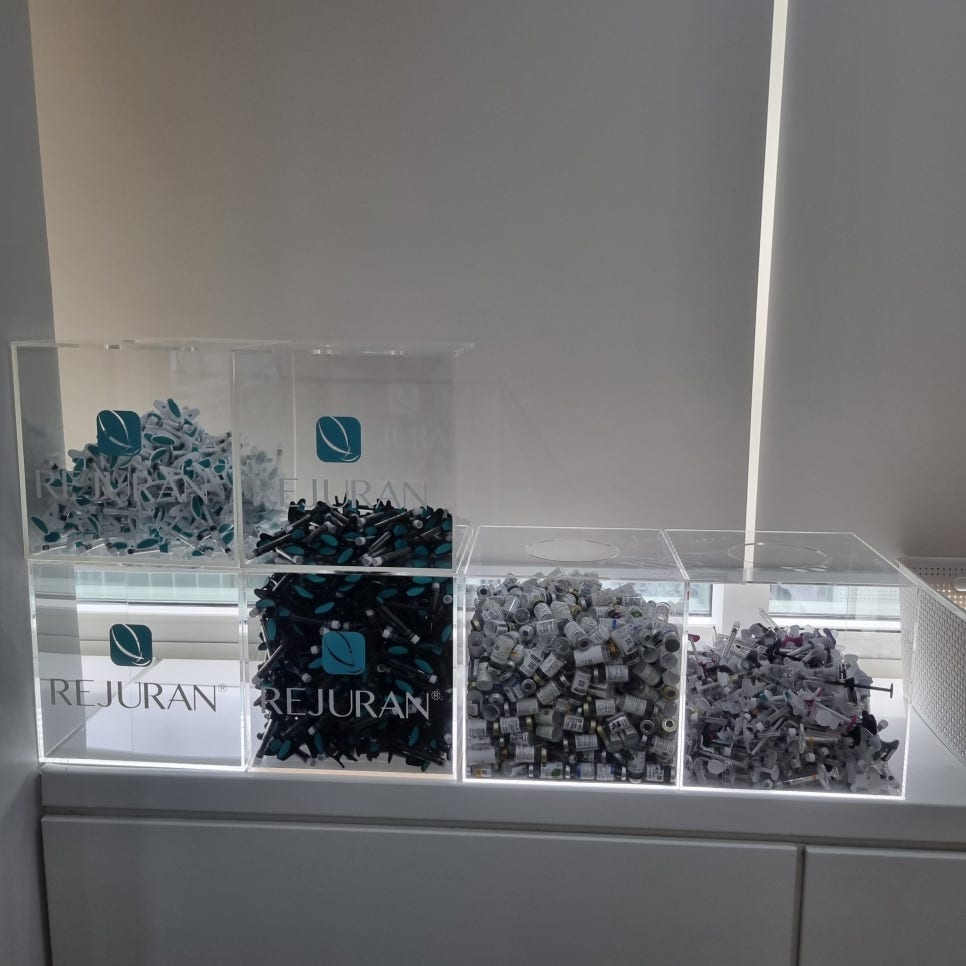
Why “Rejuran Without Anesthesia” Matters: As fine lines deepen and skin elasticity declines, many seek regenerative procedures with minimal discomfort. A growing question is whether Rejuran can be performed without anesthesia. Thanks to refined formulations and micro-delivery techniques, a low-discomfort option is now available—making the treatment more accessible while maintaining dermatologic precision.

How the New Rejuran Works
Mechanism & Key Ingredient (PN)
Rejuran uses poly-nucleotides (PN) derived from salmon DNA to promote dermal repair. These low-molecular-weight fragments penetrate deeply, activate fibroblasts, and support collagen organization. Because absorption is smooth and inflammatory potential is low, comfort during treatment has improved.
Why Discomfort Is Reduced
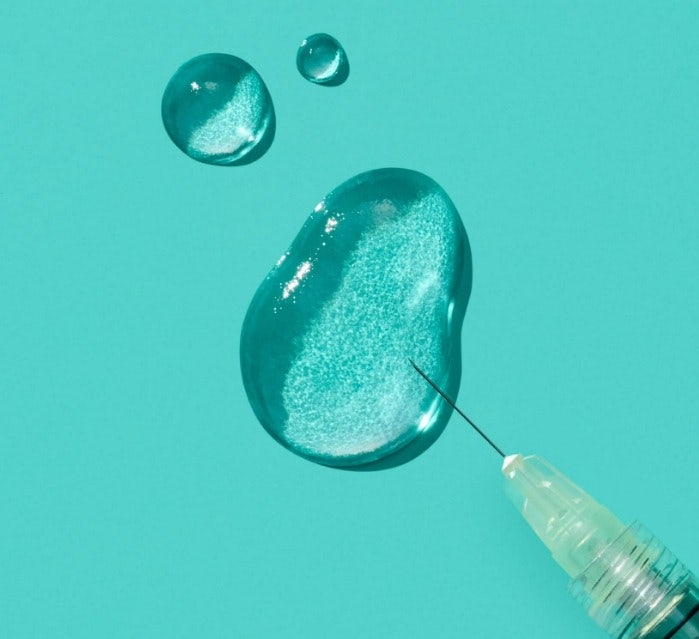
Earlier formulations were dense and required higher injection pressure. Newer versions use ultra-fine particles and lower viscosity, allowing needles to pass with far less resistance.
Two optimized design points include:
- Micro-gauge needles that minimize tissue trauma
- Reduced injection pressure for gentler delivery
Differences From Conventional Methods
Traditional Rejuran often required anesthesia, especially in sensitive zones. The updated method enables treatment of the periorbital area and full face in one session with noticeably less irritation.
Area-Specific Applications
This technique suits broad zones such as the forehead and cheeks, as well as delicate areas around the eyes. Key practical advantages:
- Lower rates of bruising and swelling
- Faster return to daily activities
Expected Reactions & Precautions
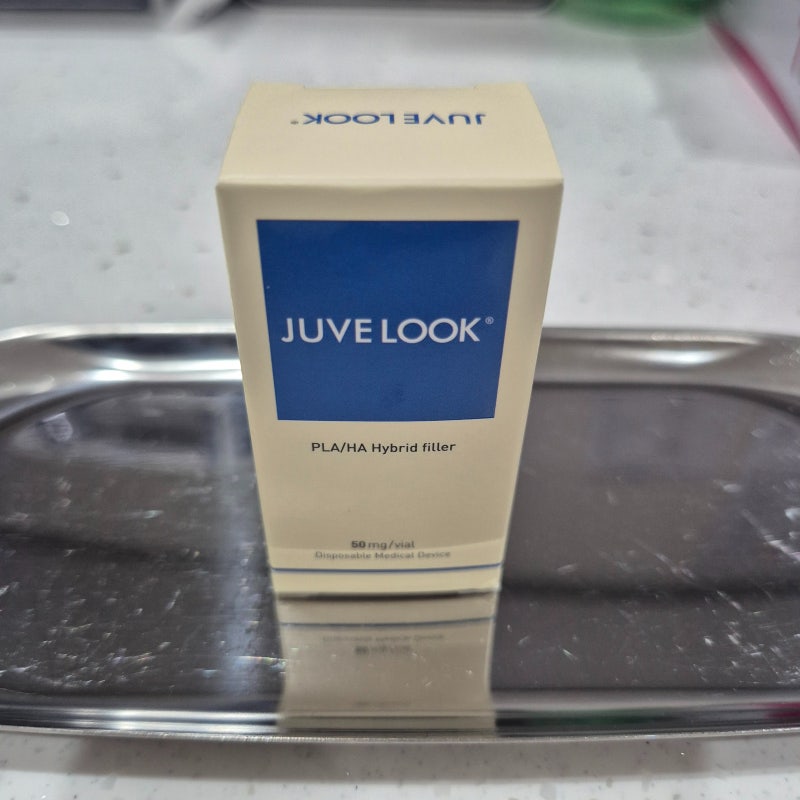
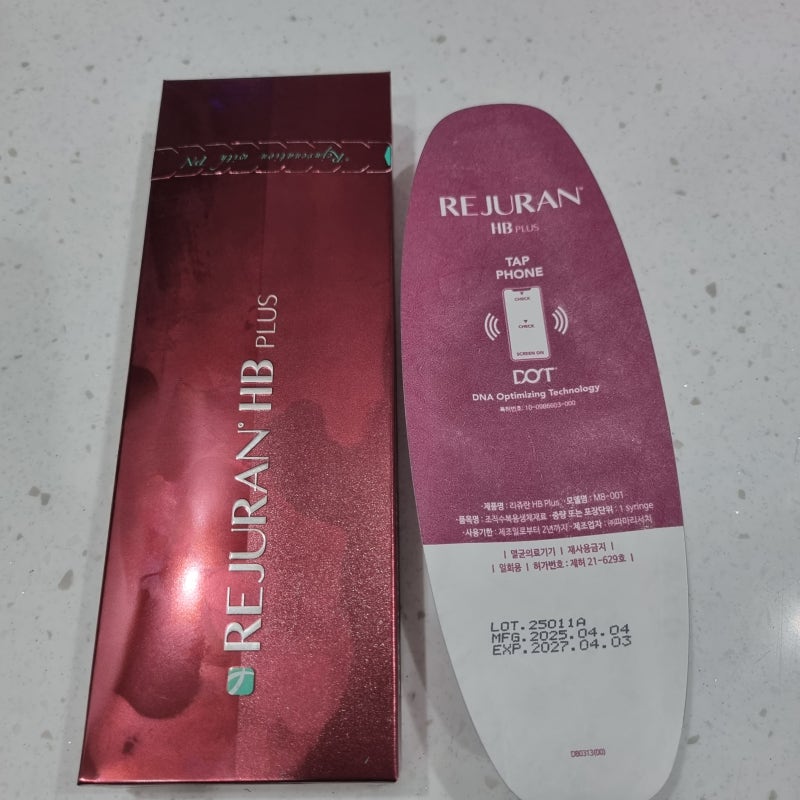
Temporary redness or mild swelling may appear and usually subsides within 1–2 days. Rarely, allergy, infection, or small nodules may occur. Patients with sensitivities should consult their dermatologist and confirm sterile technique and authentic products.

A Comfortable, Expert-Guided Option
Rejuran without anesthesia broadens treatment accessibility, but expert evaluation remains essential. Personalized planning, product verification, and a hygienic clinical setting ensure both safety and satisfying regenerative results. For anyone considering subtle, biologically driven skin repair, a dermatology consultation is the safest next step.
Edited by Dr. Choongho Lee


Leave a Reply